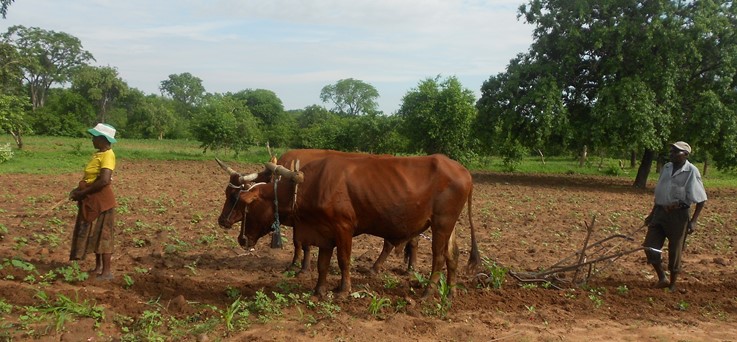
How market price is not a major determinant of profit in agribusiness

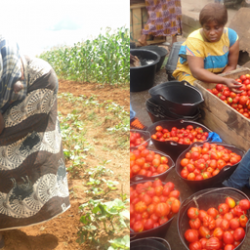
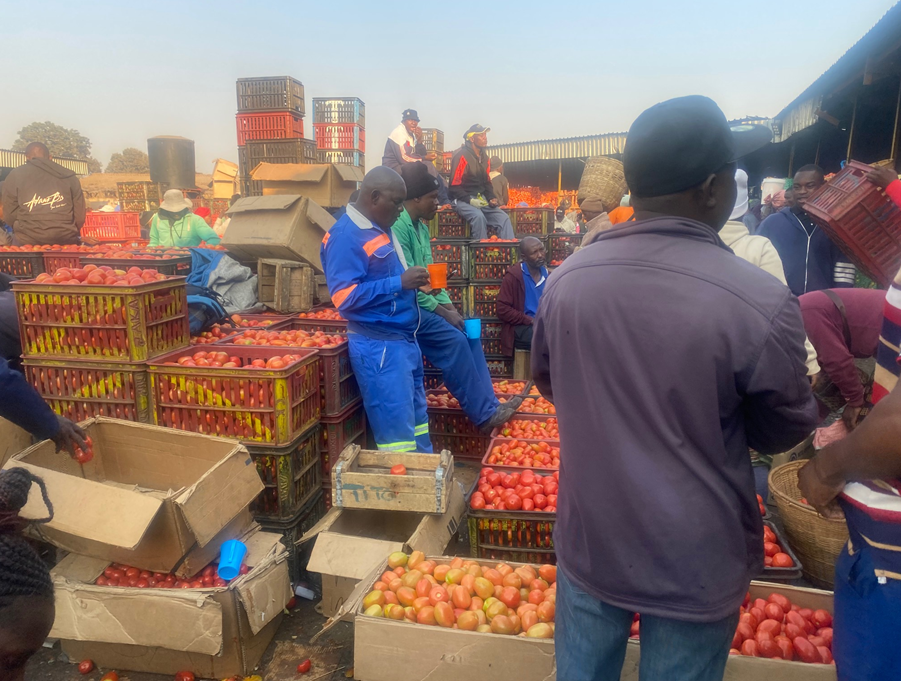
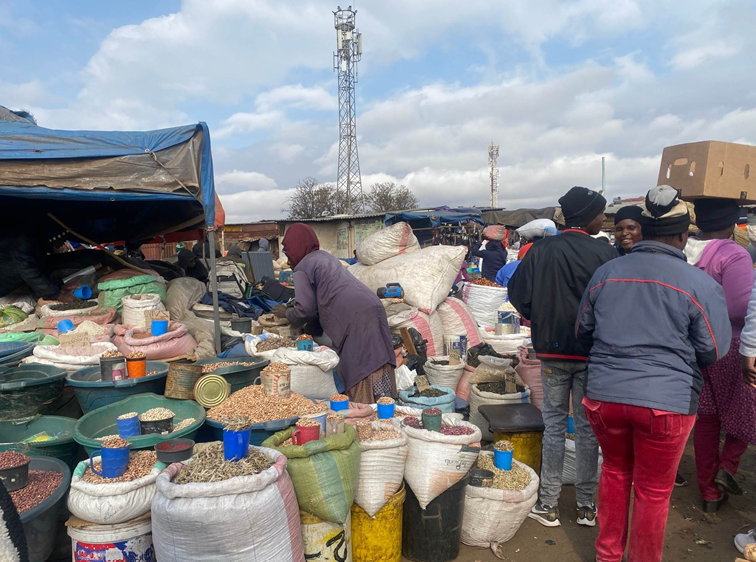
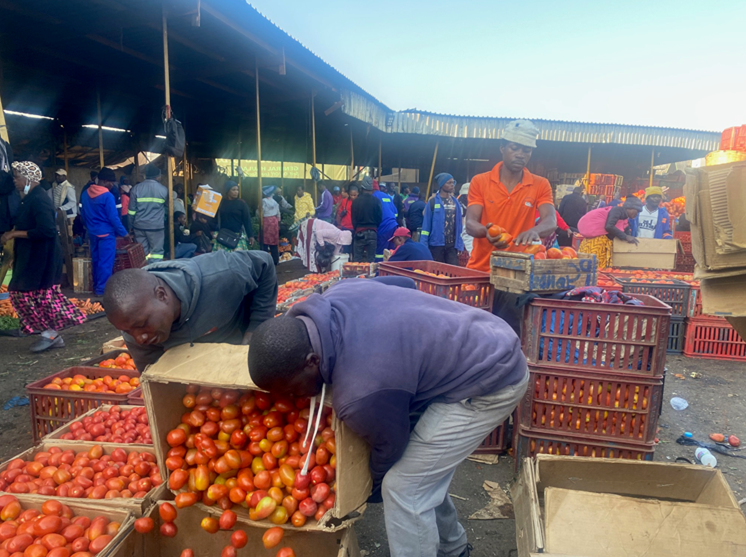
A keen interest by African farmers to know the price of commodities on the market is understandable. However, tracking activities in informal agricultural markets by eMKambo over the past few years has proved that price is not a major determinant of profit-making in agribusiness. Profit-making is a result of creatively managing production costs, quality, losses Read more about How market price is not a major determinant of profit in agribusiness[…]

How the market can inform better farmer characterization

In a rapidly changing knowledge economy, it no longer makes sense to continue characterizing farmers in developing countries by the size of land on which they produce agricultural commodities. Informal agriculture markets provide various ways through which African farmers can be characterized beyond the smallholder, communal, commercial and other forms which are becoming inadequate. For Read more about How the market can inform better farmer characterization[…]

How developing countries over-rate foreign currency

Many African developing countries have a deliberate bias towards exports in the hope that this can bring foreign currency that is expected to stimulate economic development. However, it seems foreign currency is a preserve of the elite who have developed a taste for foreign toys like large vehicles, expensive furniture, clothes, wine and other expressions Read more about How developing countries over-rate foreign currency[…]

Using market evidence to protect smallholder farmers from price variability

That most African smallholder farmers can produce enough commodities for household consumption and surplus for the market is now beyond question. The majority of committed farmers have mastered the art of producing almost any commodity.  What remains outside their control are market dynamics such as prices as well as supply and demand trends. The situation Read more about Using market evidence to protect smallholder farmers from price variability[…]

The power of knowledge retention in farming and rural communities

In addition absence of appropriate information at the right time, lack of knowledge retention mechanisms is a big challenge for African farming and rural communities. Unfortunately most resources continue to be directed at the dissemination of ideas from policy makers and development actors.  As a result many development interventions remain projects at the end of Read more about The power of knowledge retention in farming and rural communities[…]

When old knowledge prevent adoption of new socio-economic practices

One of the dominant facets of colonization is visible in the structure of African formal food industries. Many African countries are stuck with infrastructure designed for supporting manufacturing of a few agricultural commodities, mainly for the export market. Such commodities include maize, beef, coffee, tea, cocoa, soya bean, tobacco and wheat. The biggest mistake by Read more about When old knowledge prevent adoption of new socio-economic practices[…]

Making sense of differences between communicating evidence and facilitating its use

Besides promoting linear ways of communicating information, most efforts by policy makers and development agencies in Africa continue to confuse dissemination of evidence with facilitating its use. Instead of speeding up the adoption of new knowledge, social media is also generating noise which gets in the way of adoption. If they were facilitating adoption and Read more about Making sense of differences between communicating evidence and facilitating its use[…]

Key elements of market – informed agribusiness Models

Like all businesses, agribusinesses should be built around a product/service and a niche market. Ideally, more products and services spawn more business models with some models eventually becoming separate business units.  When that happens, it becomes easy to assess the viability of each business model. Contrary to some beliefs, in a business model, money is Read more about Key elements of market – informed agribusiness Models[…]

If acronyms were a solution, poverty would be history in many African communities

Almost all development interventions into Africa are framed into acronyms. eMKambo will not give examples because there are far too many acronyms to mention and you know what we mean. Although they are designed to make programmes easy to remember, most acronyms turn development interventions into slogans. As if that is not enough, acronyms have Read more about If acronyms were a solution, poverty would be history in many African communities[…]

Domestic animals as sources of Knowledge and Social Intelligence

In African agrarian communities where livestock are part of people’s livelihoods, farmers have forged symbiotic relationships with their cattle, goats, sheep, camels, pigs and poultry, among others.  While the world is elevating the role of ICTs in mediating knowledge, domestic animals have, for generations, distinguished themselves in mediating knowledge between people, the environment and the Read more about Domestic animals as sources of Knowledge and Social Intelligence[…]