Making sense of differences between evidence and experience

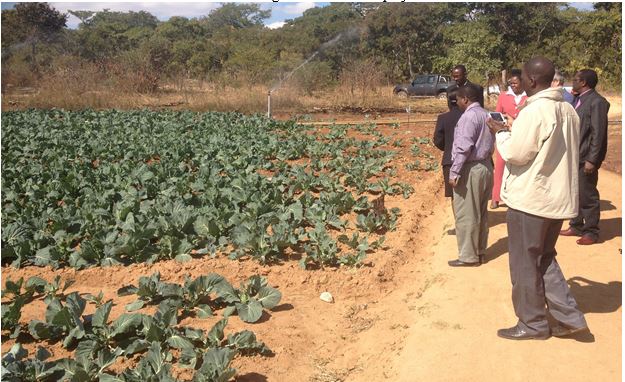
While there is an increase in emphasis on evidence-based policy, evidence-based medicine and evidence-based this and that, people’s collective experiences may be more powerful than evidence alone. If African agriculture and rural development relied solely on evidence without people’s tangible experiences, most development initiatives would not achieve much. Evidence in the form of facts and Read more about Making sense of differences between evidence and experience[…]

Using evidence to articulate grassroots concerns and opportunities

If concerns and opportunities of people living at the grassroots of developing countries are to be fully understood, evidence gathering tools have to go beyond questionnaires and other techniques designed in the English language. To the extent that facts and figures represent the hardware, in most grassroots communities, feelings and opinions represent the software which Read more about Using evidence to articulate grassroots concerns and opportunities[…]

Using feedback to stabilize growth and expand opportunities

For every US$500 million that has goes into agricultural production in Africa, another US$500 million is not injected into the market in order to stimulate demand for what is produced.  As a results, gluts continue to alternate with shortages of commodities. A major reason is lack of investment in gathering and re-using fluid evidence. Monitoring Read more about Using feedback to stabilize growth and expand opportunities[…]

Recognizing the role of feminine traits in local economies

Another way of increasing the relevance of International Women’s Day which is celebrated on the 8th of March every year is to notice and reflect on how female traits and values play out at grassroots level. If it wasn’t for the presence of feminine traits like empathy, humility, intuition, flexibility, inclusiveness, generosity, balance and patience, Read more about Recognizing the role of feminine traits in local economies[…]

Making sense of the nature of jobs in African agriculture and SMEs

The extent to which farming and non-farming activities in developing countries can create decent employment remains a fertile ground for serious research. While some African governments and churches are competing to establish universities that offer all kinds of degrees, the majority of jobs in the ballooning informal markets and SME sectors do not require a Read more about Making sense of the nature of jobs in African agriculture and SMEs[…]

People’s food markets as sources of multiple knowledges

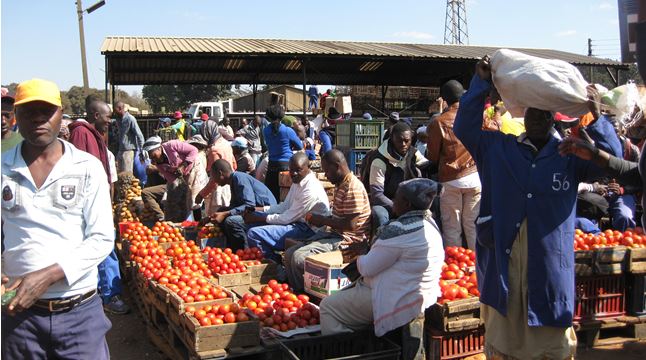
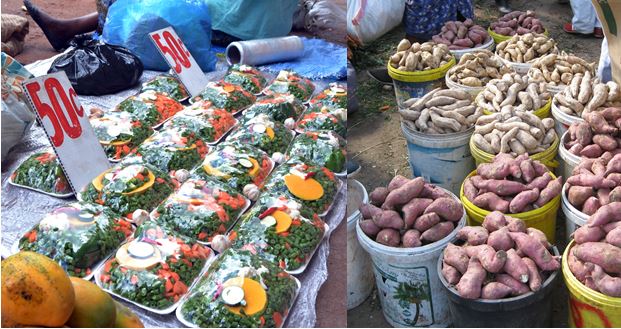
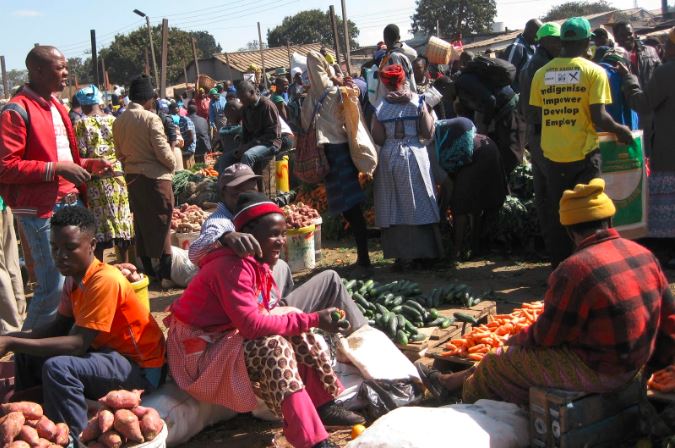
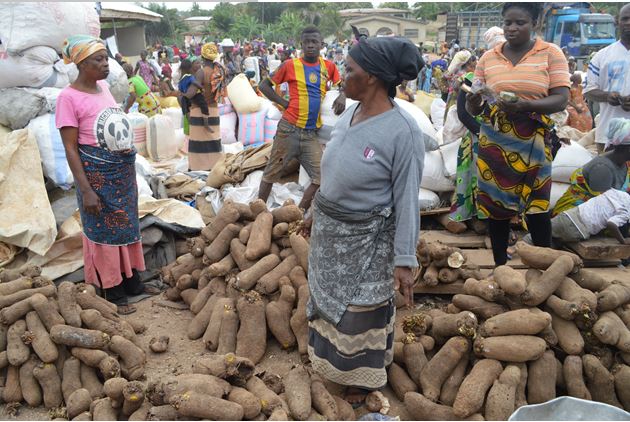
One of the benefits of continuously observing and learning from informal African food markets is an opportunity to update knowledge and see inevitable trends before everyone sees them. In a recent interaction with informal markets in Zambia and Zimbabwe, eMKambo discovered that these markets do not just classify agricultural commodities into luxuries and necessities. There Read more about People’s food markets as sources of multiple knowledges[…]

Carving and sustaining economic identities in evolving agricultural ecosystems

While billions of dollars have gone into African agriculture, smallholder farmers and other food producers are yet to be characterized and structured in ways that give them a recognizable economic identity. Unless value chain actors have a clear economic identity, it will remain difficult for them to participate in a fast-moving global agricultural market where Read more about Carving and sustaining economic identities in evolving agricultural ecosystems[…]

Revisiting and reconciling differences between literacy and knowledge

It is now known that African graduates are not able to exploit abundant natural resources because the academic education system focuses too much on literacy at the expense of capacity to absorb and apply knowledge. In fact, education policy makers continue to confuse knowledge acquisition and transfer with literacy, which is basically the ability to Read more about Revisiting and reconciling differences between literacy and knowledge[…]

The hidden cost of the time lag between marketing and consumption of commodities

One of the most misunderstood aspects of agricultural value chains in most developing countries is the time lag between marketing and consumption of agricultural commodities. While for farmers, supplying commodities and getting paid immediately is the most important thing, a lot happens between marketing and consumption. The way middlemen are blamed as if they stand Read more about The hidden cost of the time lag between marketing and consumption of commodities[…]

African food systems: a dance between luxuries and necessities

eMKambo has been in African food markets long enough to notice some invisible patterns that should be known to farmers, financiers, development agencies and policy makers. The new generation of consumers’ tastes and preferences are increasingly defining the extent to which a commodity remains a luxury or becomes a necessity. While tomatoes and leafy vegetables Read more about African food systems: a dance between luxuries and necessities[…]